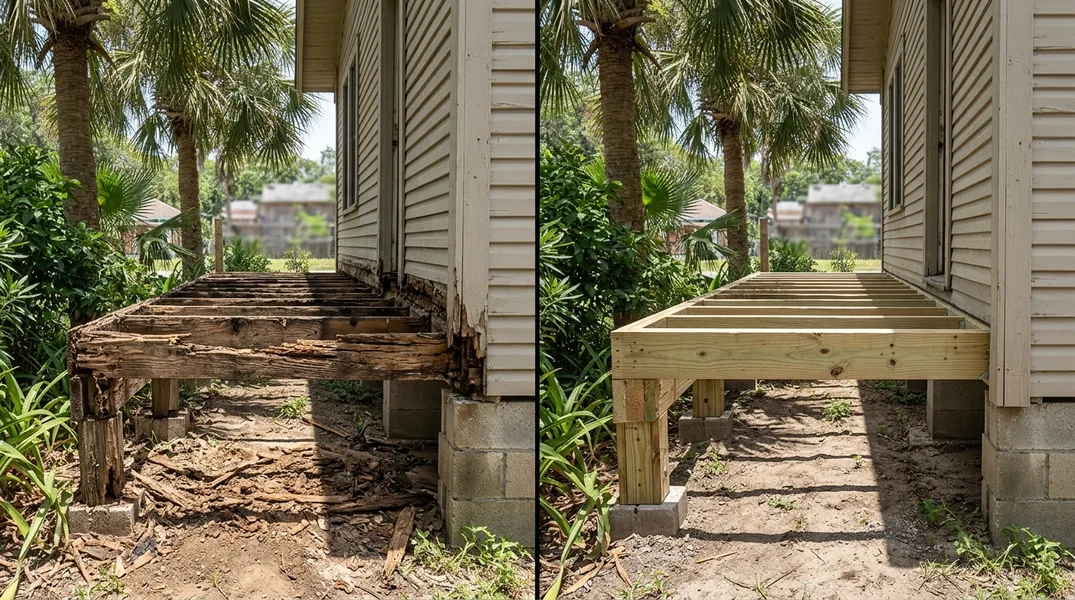
Why Historic Homes in Brownsville Demand Different Care
Owning a historic brick townhouse or a charming home along Palm Boulevard comes with genuine rewards, but it also comes with specific responsibilities that modern homes simply don't face. The architectural character that makes these properties beautiful, from their original wood trim to their period siding, requires a different maintenance philosophy than a 20-year-old suburban house.
The Rio Grande Valley's climate, with its humidity, salt air, and intense sun exposure, creates unique challenges for older structures. Historic homes were built with materials and techniques that worked beautifully for decades, but those same materials can become vulnerabilities without proper care. The wood framing, original siding, and decorative trim that define the character of Brownsville historic properties are all susceptible to moisture infiltration, insect damage, and structural deterioration. Understanding these risks early is the difference between a simple repair and a major restoration project.
Wood Siding Repair: Protecting Your Home's First Line of Defense
Wood siding repair is often the most visible maintenance need for historic homes, yet it's frequently overlooked until the damage becomes severe. Original wood siding on downtown brick townhouses and Palm Boulevard properties tells a story of the home's age and construction, but it also absorbs moisture, expands and contracts with temperature changes, and provides a pathway for water to reach the structural framing beneath.
The key to protecting your investment is recognizing that wood siding isn't just cosmetic. When paint begins to peel, when boards show soft spots or discoloration, or when gaps appear between boards, water is already finding its way into the wall cavity. This moisture can trigger Wood Rot & Dry Rot Repair issues that spread silently through the structure. Regular inspection, prompt paint touch-ups, and addressing any visible damage within weeks rather than months will preserve both the appearance and the structural integrity of your home.
Period Trim Restoration: Balancing Beauty with Durability
Period trim restoration requires a different approach than simply replacing damaged sections with modern materials. The crown molding, window casings, baseboards, and decorative elements that define a historic home's character were crafted with specific proportions, joinery techniques, and wood species that matter to the home's authenticity and value.
When restoring period trim, the goal isn't always to replace it, but to repair and stabilize it in place. This might mean reinforcing deteriorated sections from behind, carefully replicating missing details, or selectively replacing only the portions that cannot be saved. For homeowners in Brownsville, this approach preserves the home's historic integrity while ensuring it can withstand the Valley's climate for another generation. The craftsmanship required for this work differs significantly from standard carpentry, which is why connecting with specialists who understand historic construction methods is essential.
Historic Home Maintenance in Brownsville: A Year-Round Strategy
Effective historic home maintenance isn't something you address once and forget. These properties require a seasonal, proactive approach that catches problems before they become expensive. In the Rio Grande Valley, where humidity levels can spike during certain months and salt air from the Gulf can accelerate wood deterioration, staying ahead of maintenance is not optional.
Spring and fall are ideal times to inspect your home's exterior wood elements. Look for signs of moisture damage, check that all exterior caulking is intact, ensure gutters and downspouts are clear and functioning properly, and examine the condition of paint and stain on all exposed wood surfaces. Summer's intense heat can cause wood to dry and check, while the Valley's occasional heavy rains test the integrity of your sealants and flashing. By addressing small issues during these seasonal inspections, you avoid the cascade effect where a minor leak becomes Termite Damage Repair or structural framing issues that require major intervention.
When to Call a Professional: Recognizing Problems Beyond DIY Fixes
Homeowners often take pride in maintaining their properties, but historic wood repair requires specialized knowledge that goes beyond standard home maintenance. If you notice soft or spongy wood when you press on siding or trim, if you see evidence of insect activity, if there's visible mold or mildew on wood surfaces, or if you suspect moisture is getting behind your exterior walls, it's time to call a professional. These signs indicate that the problem has progressed beyond surface-level issues and is affecting the structural integrity of your home.
Additionally, if you're planning any significant work on your historic home, whether it's replacing windows, adding new siding, or repairing the roof, consulting with a carpentry specialist ensures that the work is done in a way that's compatible with your home's historic construction. Poor repair choices made today can compromise the structural stability of your home and make future repairs exponentially more difficult and expensive. If you're seeing signs of wood damage or have questions about your home's condition, reach out to Brownsville Carpentry for a free estimate. You can also call us at (956) 431-0292 to discuss your specific situation.
Wood Rot & Dry Rot Repair Cost in Brownsville: What to Budget
Understanding the pricing for wood damage repair helps homeowners make informed decisions about maintenance and prioritize repairs. The cost of addressing wood rot or dry rot varies dramatically based on the extent of the damage, the location of the affected wood, and whether the damage has spread to structural elements like floor joists or load-bearing walls. A localized area of rot in exterior trim might be addressed for a few hundred dollars, while rot that has penetrated into the framing system could require significantly more investment.
The most important principle is that early intervention is always more affordable than waiting. A small area of rot caught during a routine inspection and repaired promptly costs far less than waiting until the damage spreads to multiple framing members. This is why regular maintenance and seasonal inspections aren't luxuries for historic homeowners, they're practical investments that prevent exponentially more expensive repairs down the line. For a clear understanding of what your specific situation will cost, contact Brownsville Carpentry at (956) 431-0292 or request a detailed free estimate that outlines the scope and cost of recommended repairs.
Looking for a professional carpentry contractor in Brownsville? Brownsville Carpentry responds fast for all your carpentry needs.
Get a Free QuoteOur services: Wood Rot & Dry Rot Repair · Termite Damage Repair · Floor Joist & Subfloor Repair